Situate:
To place in a person, site, situation, or context, social, cultural, historical, or otherwise; to locate – to unpack the exact place or relational positionality of
Pedagogy:
“a way of being that sparks conversations about life, the environment, community, and relationships” – CECE Practice Guideline, Pedagogical Practice
From the blog


about me
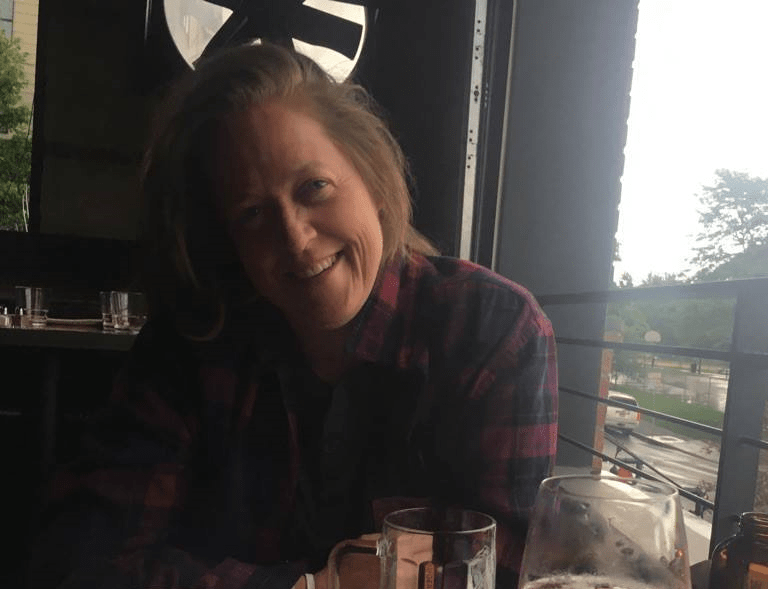
I’m jess woods, RECE, former working RECE (todder, preschool, kindergarten, and school-age), child care supervisor and manager, pedagogical leader and most recently, ECE professor. I am genderqueer and use they/she pronouns.
I split my time between kitchener, living along the O:se kenhionhata:tie (Willow River/so-called-grand river) in the haldimand tract, land which was promised to and rightfully should be actively under the direction and care of the Iroquois/Six Nations (Haudenosaunee), Chonnonton (Neutral Peoples), and Anishinaabe (and/or other Indigenous peoples who live along the tract), and in Tkaronto (toronto), land of the Petun, the Huron, the Wendat, the Neutral Peoples, the Anishinaabe, the Ojibwe – the Mississaugas of the Credit River, as well as the Haudenosaunee (the Mohawk, Oneida, Onondaga, Cayuga, Seneca, and Tuscarora).
I am a 6th generation southwestern ontario white settler. As in, on both sides of my ancestry, and in most branches, it was my great-great-great grandparents that came over for the opportunity to homestead and farm (slash try to secure their own basic survival) in so-called-ontario as uninvited-guests-to-turtle-island, and as volunteers/pawns to advance the colonial government’s violent agenda to take over increasing amounts of land. This was a time when the colonial government facilitated a substantial wave of immigration to southwestern ontario. My ancestors were likely seeking relief from famine and ongoing displacement and instability as capitalists swept the Celtic isles, forcefully replacing communal farming with large-scale agricultural schemes.
For the most part, my family – mostly scottish and irish with a smaller smattering of british and french influence on my mother’s side, and very similar on my father’s side (without the french), has been a farming/industrial agriculture family. Through time, my ancestors have lived very close to the land, and remained compliant (and therefore complicit) with colonial law. We have enacted our own capitalist agendas, willingly riding capitalist waves towards increasing industrialization in agriculture, and in “using” land as if nature is a commodity. We have prioritized community and cultural group relations, been active members of United church communities, and, for the most part, we have stayed in the same radius of land — under Treaty 29, Anishinaabe and Haudenosaunee territory. Some of my generation remains in the countryside and are still involved or adjacent to agriculture, and most of us are living and working and owning property in urban settings — with a couple handfuls of exceptions (that I know of!), still under Treaty 29 and/or Dish with One Spoon.

